
EU Packaging Guide
New EU Packaging Rules: A Simple Guide for Small Brands
The new rules do not ban premium packaging. They encourage brands to use materials thoughtfully, avoid unnecessary volume and keep better information about how their packaging is made.
What is the new EU packaging regulation?
On 12 August 2026, the European Union’s new Packaging and Packaging Waste Regulation—known as the PPWR—began to apply across the EU.
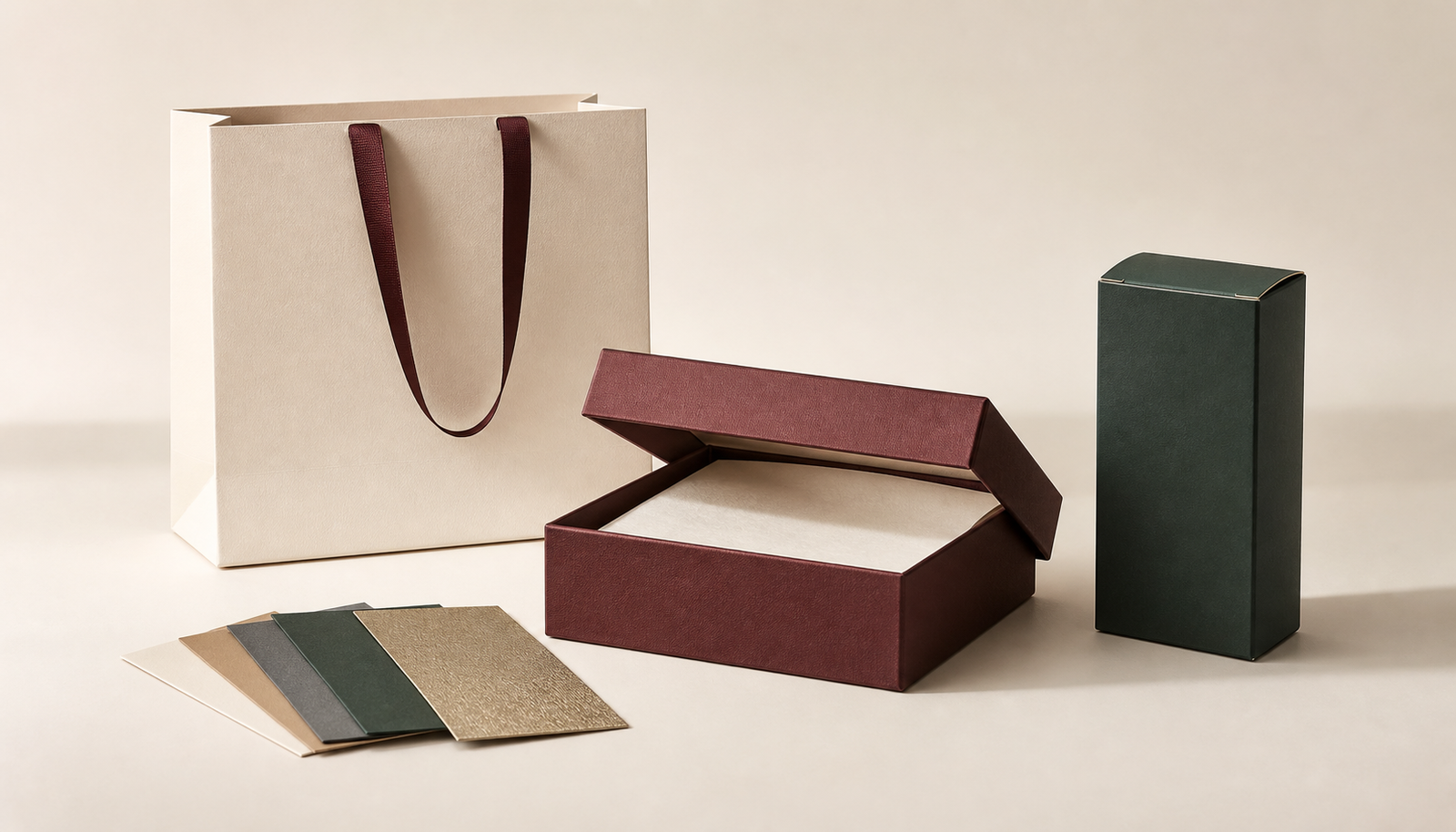
It covers packaging made from all types of materials, including paper shopping bags, rigid gift boxes, folding cartons, e-commerce mailers, tissue paper and inserts. The regulation officially entered into force in February 2025, but its requirements are being introduced in stages.
If your brand uses custom paper bags or gift boxes, there is no need to panic. Premium packaging has not been banned, and not every package needs to be redesigned immediately.
Does every brand need to change its packaging now?
Not necessarily. The PPWR is a phased regulation. The simplest way to understand the timetable is:
- From August 2026: the general PPWR framework applies. Businesses should understand their role in the packaging supply chain and keep suitable packaging information. Limits on PFAS also apply to relevant food-contact packaging.
- From 2028: new EU packaging labels and stronger rules concerning unnecessary empty space begin to appear.
- From 2030: packaging will increasingly need to meet recyclability, minimum-material and right-sizing requirements.
This means brands should start preparing now, without treating every future requirement as an immediate ban.
Premium packaging is still possible
The new regulation does not mean that every paper bag must become a thin kraft bag or that every gift box must become a plain folding carton.
A paper bag can still use premium paper, ribbon handles, foil details and carefully selected colours. A rigid box can still protect a product and create a memorable reveal. The important question is whether the materials, dimensions and structural details have a genuine purpose.
- Does the board protect the product?
- Is the insert needed to hold a delicate item securely?
- Is the bag correctly sized for what it carries?
- Can different components be separated after use?
- Is an additional layer useful, or is it only making the package appear larger?
Premium packaging should feel considered rather than excessive.
Start by understanding the materials
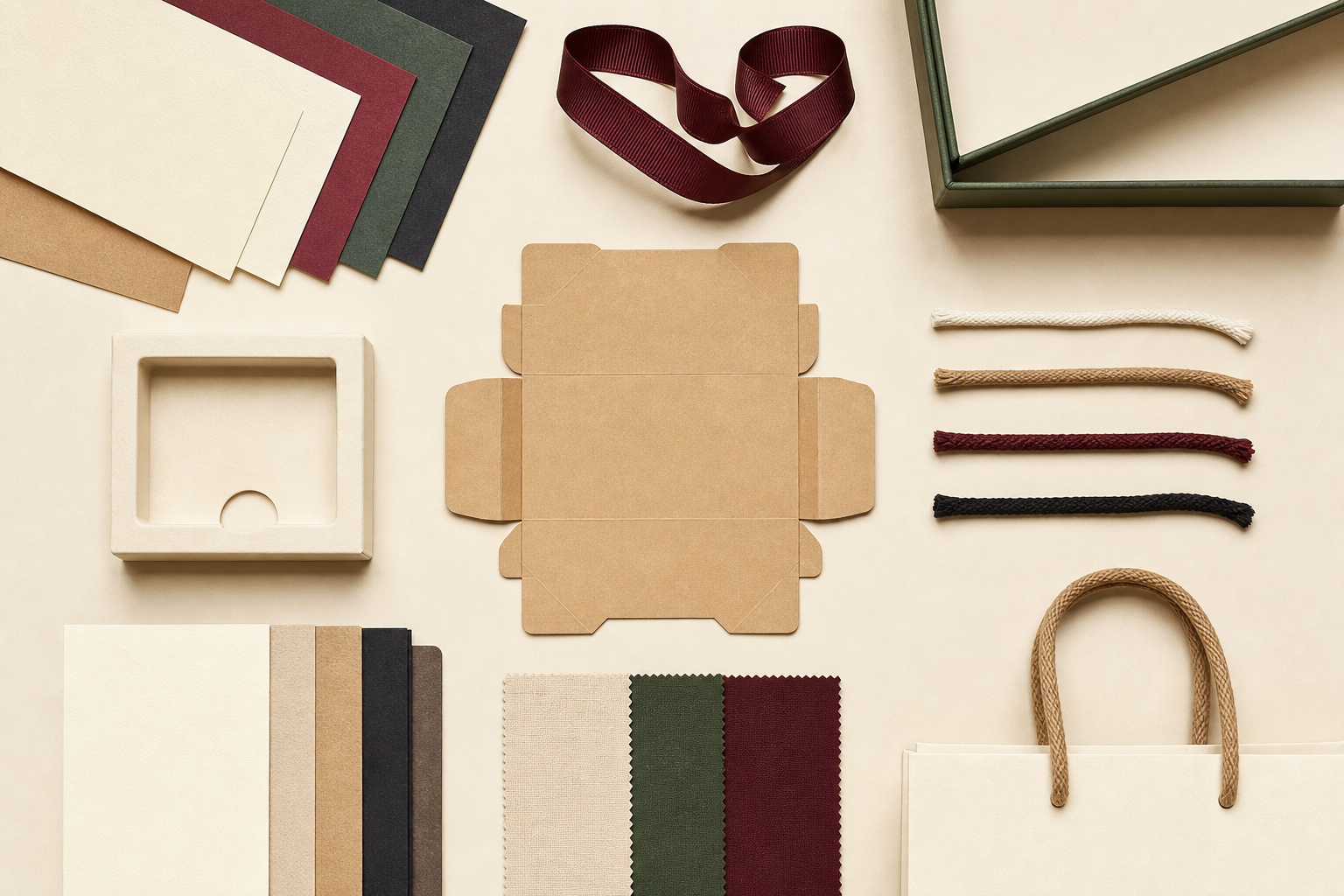
A package described as “paper-based” may contain more than paper. A shopping bag might also include ribbon, cotton or synthetic handles, lamination, foil and adhesive. A rigid box may contain magnets, foam, fabric, plastic trays or coated wrapping paper.
These additions are not automatically prohibited, but they can affect how easily the finished package can be recycled. When ordering packaging, ask your supplier for clear information about:
- The paper and board used
- Coatings and laminations
- Handle materials
- Inserts and protective components
- Magnets or metal parts
- Printing and decorative finishes
- Relevant material or compliance documents
Choosing a better paper bag
Paper bags remain an excellent option for boutiques, jewellery stores, beauty brands, pop-up events and product launches. To make a new bag more future-ready:
- Choose a practical size. An oversized bag uses more paper and takes up more shipping and storage space.
- Select the paper weight carefully. The ideal paper should provide enough strength without adding unnecessary material.
- Compare handle options. Ribbon, cotton, paper-twist and folded-paper handles offer different combinations of comfort, appearance and material simplicity.
- Use finishing with intention. Foil, embossing and debossing can create a premium result without covering the package in extra layers.
Bespoke Packaging can help compare bag dimensions, paper weights, handle choices and finishes before sampling, giving independent brands a premium solution in practical quantities.
Choosing a better gift box
Rigid boxes remain suitable for jewellery, cosmetics, accessories, gifting and limited-edition products. The best box is not necessarily the largest or heaviest one. It is the box that protects the product and presents it beautifully without wasting space.
- Use a fitted paperboard insert instead of excessive loose filling.
- Base the box dimensions on the real product size.
- Consider removable or easily separated inserts.
- Choose fold-flat rigid boxes when storage and shipping volume matter.
- Use magnetic closures only where they add meaningful function.
- Create impact through colour, texture and print rather than unnecessary layers.
Why empty space matters
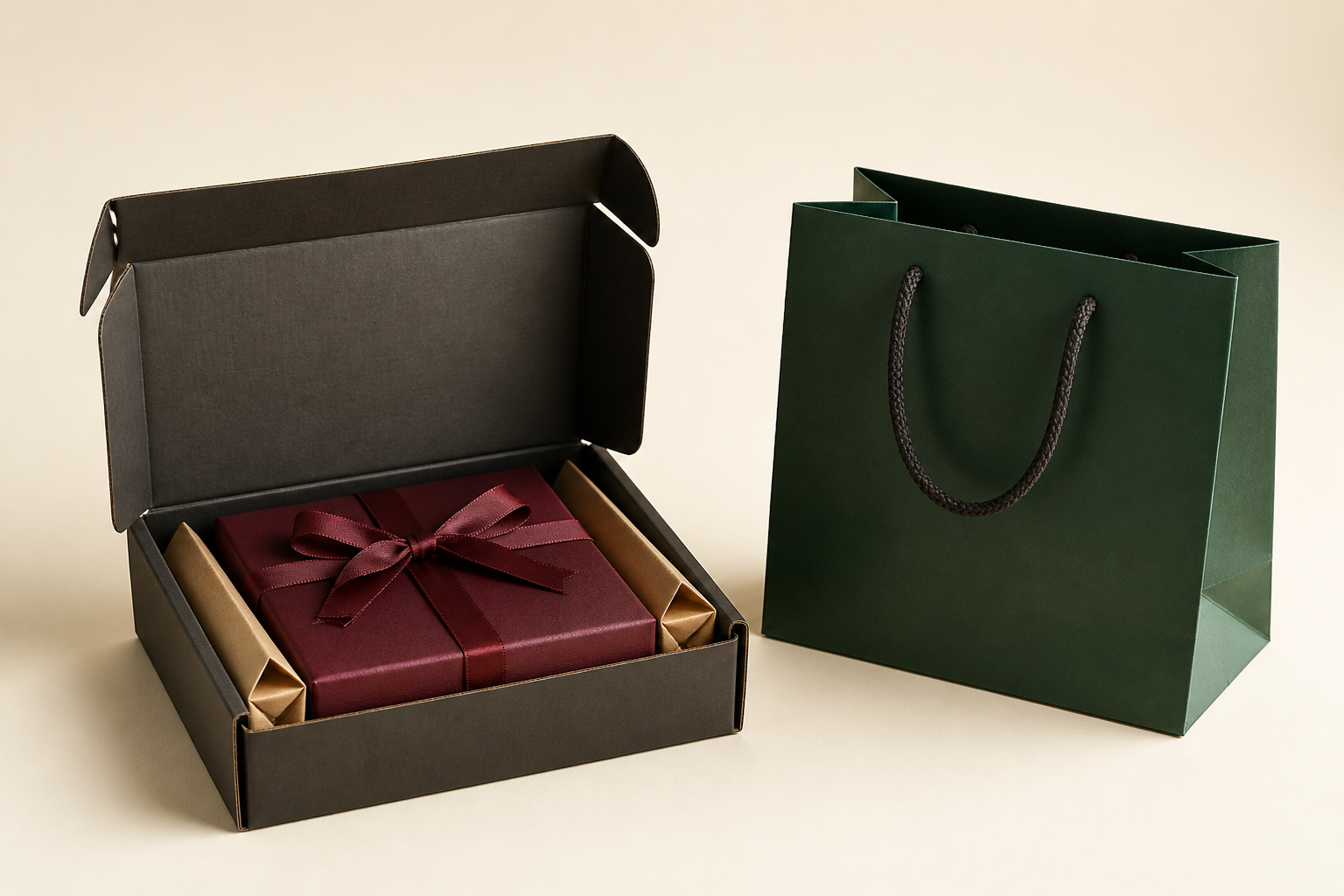
Future PPWR requirements place greater attention on empty space in sales, transport and e-commerce packaging. This does not mean that protective space is forbidden. Fragile products still need suitable protection.
It means that packaging should be proportionate to the product and that extra space should serve a real purpose. Right-sizing can also reduce shipping volume, filling material, storage space and packaging costs while creating a cleaner unboxing experience.
Five simple steps brands can take now
- List your packaging formats. Include bags, boxes, cartons, inserts, tissue and delivery packaging.
- Record the materials. Ask about the main paper or board and any additional components.
- Check the size. Compare the package dimensions with the product and identify unnecessary space.
- Review new designs before production. Sampling is the right time to adjust paper weight, inserts, handles and dimensions.
- Keep the documents. Save specifications, approved artwork and material information for each production version.
Better rules can lead to better packaging
The PPWR does not end premium packaging. It encourages better premium packaging—appropriate dimensions, reliable protection, carefully selected materials and a memorable brand experience without unnecessary waste.
Bespoke Packaging supports independent fashion, jewellery, beauty and lifestyle brands with custom paper bags and gift boxes in practical quantities. We can help you compare structures, materials and finishing options, prepare samples and develop packaging that supports both your product and your brand.
This article is a general introduction and does not constitute legal advice. Businesses should review the official EU guidance and obtain professional advice for their own products and markets.
Official sources: European Commission packaging waste overview and Regulation (EU) 2025/40.